Plain facts about wood for smoking food
Smoking wood comes in many kinds and sizes, and the choice changes how food tastes. These pages explain the common woods, the chunk, chip and log forms, and which woods to leave out. Each one points to the sources it relies on.
All the wood notes
 How Wood Smoke Flavors FoodWhat wood smoke is made of, why it tastes good in some cooks and bitter in others, and what changes the flavor.
 Wood Chunks, Chips and Logs: What Is the Difference?Which form of smoking wood goes with which kind of cooker, from chips in a smoker box to split logs in a firebox and pellets in a hopper.
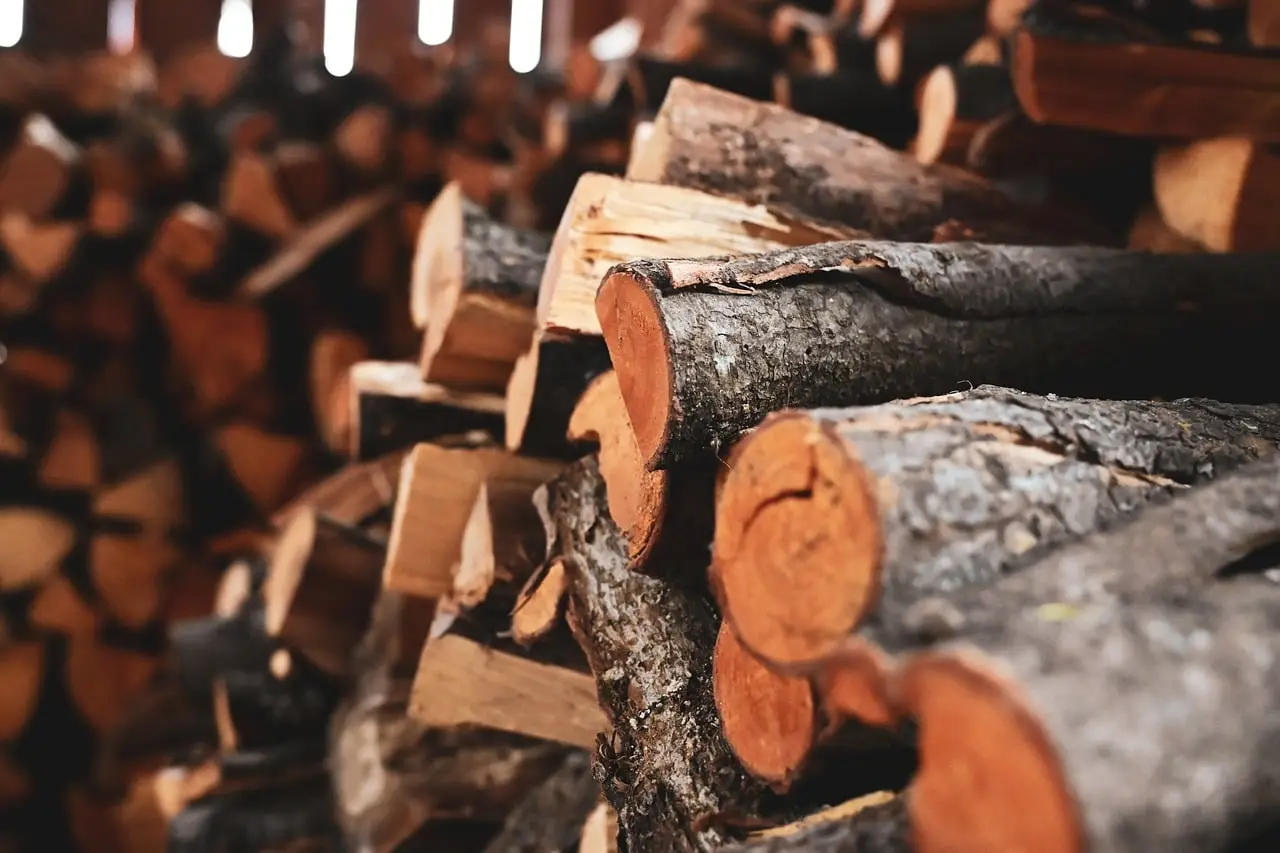 Hardwoods Used for Smoking: Oak, Hickory, Maple and MoreWhat oak, hickory, pecan, mesquite, maple and alder are said to taste like, based on forestry, university and maker pages.
 Fruitwoods for Smoking: Apple, Cherry, Peach and PearHow fruitwoods such as apple, cherry, peach and pear compare with hickory and mesquite, and how sources suggest blending them.
 Woods You Should Never Use to Smoke FoodWhich woods and wood products to leave out of a smoker or grill, including resinous softwoods, treated lumber and heating pellets.
 Seasoned, Green and Kiln-Dried Wood for SmokingWhat green, seasoned and kiln-dried wood mean, how much water each holds, and what sources say about moisture and smoke flavor.
 Should You Soak Wood Chips Before Smoking?Makers and reference pages disagree on soaking wood chips. Here is what each says happens when wet wood meets heat.